
Bloodborne Pathogens Training What To Expect
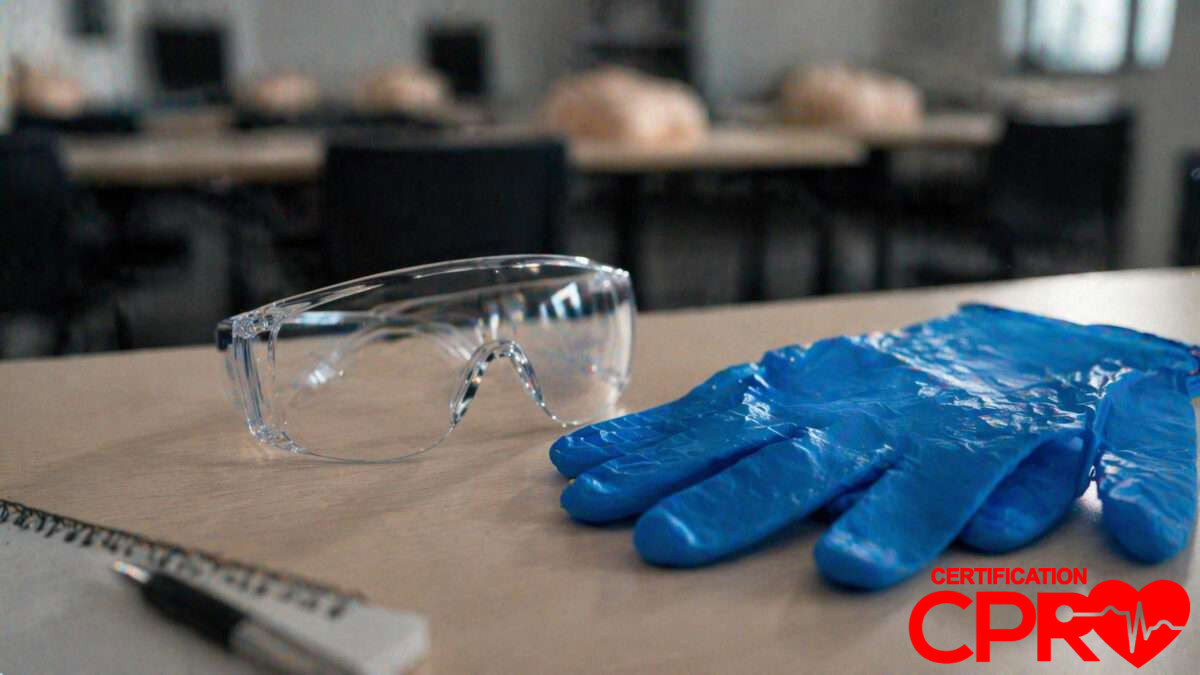
Bloodborne pathogens training exists in two versions. One version is a compliance event: workers sit through a presentation, check some boxes, receive a certificate, and file the paperwork. The other version is training that actually changes how workers respond when a needle goes somewhere it should not or blood ends up on a surface it should not touch. El Paso has a large population of workers who need the second version. University Medical Center of El Paso — the only Level I Trauma Center within several hundred miles — along with Las Palmas, Del Sol, and Sierra Medical Center, plus the Fort Bliss military medical corps, the clinical programs at TTUHSC El Paso and EPCC, and the border environment that generates its own category of acute exposure risk all add up to a city where bloodborne pathogen exposure is not an abstract concept. It is a real occupational hazard for tens of thousands of workers.
Good training should close the gap between what someone technically knows and what they actually do in the moment. A course that defines HBV, HCV, and HIV and then tells workers to follow their employer’s plan is leaving out the part that makes the difference: what does the response look like in the first ten minutes after an exposure, and who do you call, and what happens next. Workers who can answer those questions clearly after training are workers who protect themselves and their workplaces when something goes wrong.
OSHA requires bloodborne pathogens training for employees with occupational exposure under 29 CFR 1910.1030. That training must happen at hire and at least annually after that. What it must cover, and what a useful course looks like in practice, is what this article addresses.
What’s Covered in Bloodborne Pathogens Training
A useful BBP class covers more than definitions. Workers should leave with a clear understanding of the main pathogens, the ways exposure actually happens on the job, the protective steps that reduce risk before an incident, and the reporting sequence that starts the moment something goes wrong. The OSHA standard specifies the content that must be included, which means a course that skips any of these areas is not meeting the requirement regardless of how long it runs.
Upcoming CPR Class Dates and Times
- How exposure happens through needlesticks, cuts, splashes to the eyes, nose, or mouth, and contact with non-intact skin
- How to choose and use PPE such as gloves, eye protection, gowns, and face shields when the task calls for them
- How sharps containers work and what safe disposal looks like
- What the employer’s exposure control plan says, where to find it, and who to report to after an incident
- What cleanup, labeling, and housekeeping rules apply when blood or other potentially infectious material is present
If you need the baseline explainer first, what are bloodborne pathogens is the best starting point before getting into training expectations.
The Interactive Requirement and What It Looks Like
OSHA’s bloodborne pathogens standard requires that training be interactive — meaning workers must have the opportunity to ask questions of, and receive answers from, a knowledgeable person. This is not a minor procedural detail. It exists because a video or slide deck cannot respond when a dental hygienist at an El Paso clinic asks whether her daily instrument-cleaning tasks constitute a covered exposure activity, or when a phlebotomist at a community health center in the Lower Valley wants to know what to do if the occupational health office is closed at the time of a needlestick. Those questions are real, they are specific to the worker’s actual job, and they need a real answer from a real person.
In a group training session, the interactive component is the Q&A period and the scenario discussion — the portion of the class where the instructor says “what would you do if this happened in your unit” and workers talk through the actual response. That conversation surfaces gaps that no standardized presentation identifies: the broken sharps container in the supply room that nobody has reported, the ambiguity about who is responsible for bloodborne pathogen cleanup after the maintenance staff changed, the worker who has been handling blood draws without gloves because they run out quickly and nobody reorders fast enough. A training event that ends without that kind of conversation is not fully meeting the standard, and workers should feel entitled to raise their real questions rather than sitting through a module and signing their name at the end.
How Long Is Bloodborne Pathogens Training?
Most annual refreshers run 30 to 60 minutes. Initial training for higher-exposure roles — direct patient care, sharps handling, specimen collection — typically runs one to two hours. The exact length varies by employer and how thoroughly the course ties content to the specific duties and exposure risks workers actually face. Length is not the right metric. A course that never makes the content feel job-specific is not doing what the OSHA standard expects regardless of how long it runs.
The bigger issue with length is frequency. Annual retraining is required for covered employees, and additional training is required whenever tasks or procedures change in ways that affect exposure risk. Employers who treat this as a once-and-done are not in compliance, and workers whose training expired two years ago are operating with information that may not reflect current procedures or equipment.
Cleaning Blood Spills: Basic Steps
A good BBP class does not stop at theory. It should walk workers through what happens when blood is on a floor, counter, treatment area, or piece of equipment and somebody has to clean it up safely — because that situation is not rare in El Paso healthcare settings, and workers who are improvising the cleanup process are the ones most likely to create a secondary exposure.
- Keep other people out of the area and put on the PPE the workplace requires before touching anything.
- Use the employer’s approved cleanup materials and follow the written disinfecting process instead of improvising with whatever is nearby.
- Dispose of contaminated materials the way the exposure control plan specifies, and never place sharps in regular trash.
- Wash hands immediately after cleanup, and if any splash, puncture, or skin exposure occurred, report it right away so medical follow-up can start.
Workers should not be guessing through blood cleanup or exposure response in the moment. Good training makes the cleanup steps, the reporting path, and the medical follow-up process feel familiar before an incident happens.
Sharps Container Basics and Safe Disposal
Sharps go into approved puncture-resistant sharps containers, not into regular trash. Workers should know where those containers are located in their specific work area, what fills them to the replacement threshold, and who handles pickup and disposal. They should also know not to recap needles by hand and not to reach back into a container once a sharp has been deposited. These are not complicated habits, but they are the primary mechanism for preventing needlesticks outside of procedure rooms — and a worker who has to stop and think about where the nearest sharps container is has already introduced unnecessary risk.
Bloodborne Pathogens Certification Renewal
For covered workers, bloodborne pathogens training is not a one-time class. The OSHA standard calls for annual retraining, plus additional sessions when duties or procedures change in ways that affect exposure risk. Employers should plan around that rhythm as a fixed calendar commitment rather than treating the refresher as an afterthought that gets scheduled when someone notices a compliance gap.
If bloodborne pathogens training is part of a broader emergency-response plan, pair it with CPR training so workers are not learning exposure response in isolation from CPR and AED readiness.